Monsoon outings often come with warm snacks, roadside tea, restaurant meals, and quick bites between errands. They can also bring a less pleasant follow-up: loose stools, stomach cramps, nausea, and a drained, weak feeling.
Rainy weather does not make every meal unsafe, but it can expose gaps in food storage, water quality, hand hygiene, and kitchen cleanliness. A dish that sits out too long, is handled repeatedly, or is prepared with unsafe water can upset the digestive system. Think of it like leaving a phone in the rain. It may look fine at first, but the hidden moisture can cause problems later.
If you develop loose stools after outside food, the first goal is not to rush into a heavy meal or ignore the symptoms. It is to support hydration, rest the digestive system, and know when medical care is necessary.
Why monsoon outside food can upset digestion
During the rainy season, food may face more moisture, inconsistent refrigeration, crowded kitchens, and contaminated water exposure. Perishable foods can become unsafe if they are not stored at the right temperature, especially during power cuts. The CDC advises discarding refrigerated perishables after four hours without power or a cold source, and recommends throwing food away when you are unsure about its safety.
Read the CDC food-safety guidance.
Common risk situations include:
- Eating cooked food that has been left uncovered for long periods
- Drinking ice, juices, or water from an uncertain source
- Choosing cut fruits, salads, or chutneys that may not have been washed safely
- Eating leftovers that were not cooled and reheated properly
- Forgetting hand hygiene during travel or outdoor meals
Not every digestive upset has the same cause, so avoid self-diagnosing. Still, sensible recovery habits can make a real difference while you monitor how you feel.
The symptom cluster to notice
A digestive upset after outside food may include loose stools, cramps, nausea, abdominal discomfort, vomiting, tiredness, or weakness. Some people may also develop a mild fever.
The body can lose water and salts quickly through repeated stools or vomiting. That is why someone may feel exhausted even when the stomach pain seems manageable. Foodborne illness symptoms can include diarrhoea, stomach cramps, nausea, vomiting, and fever. Severe symptoms need medical attention – CDC guidance on symptoms and warning signs.
Recovery first: a practical monsoon digestion box
Start with these safe recovery habits
- Sip ORS as directed on the packet, especially after repeated loose stools.
- Drink safe water, clear soups, rice water, or other suitable fluids in small, frequent sips.
- Rest and avoid strenuous exercise until your energy returns.
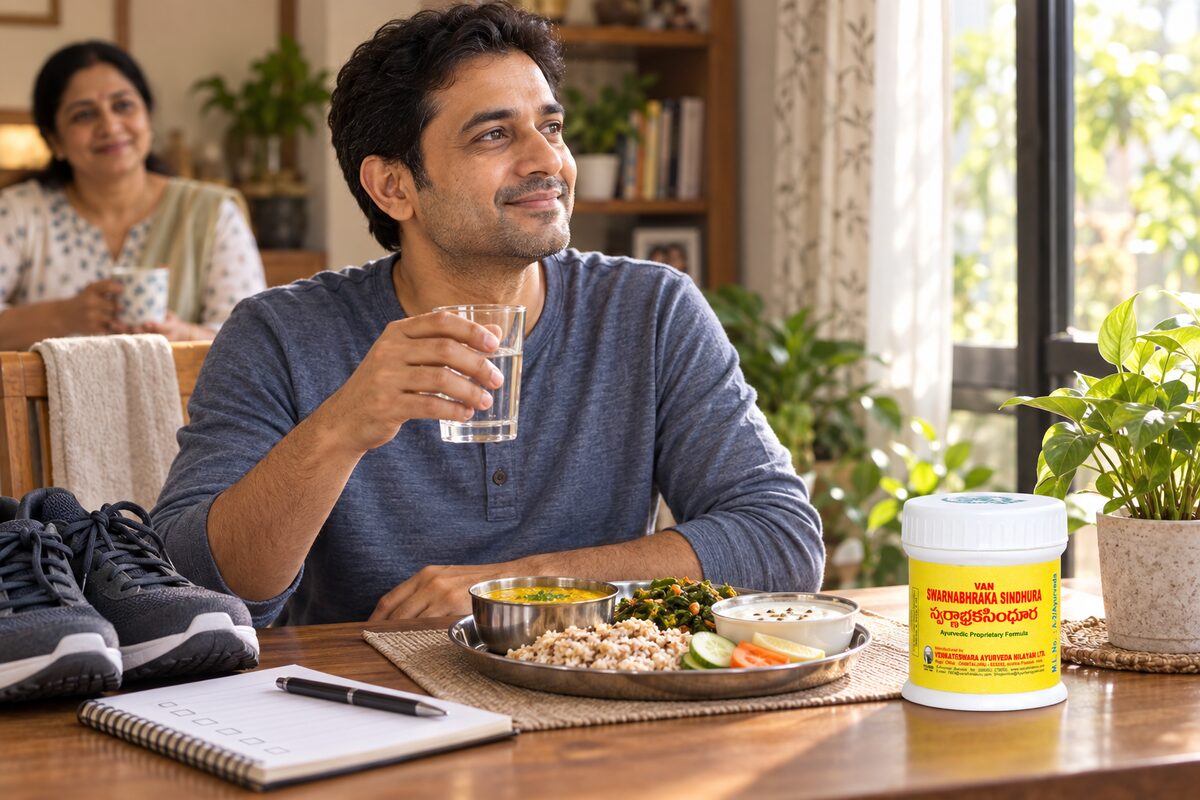
- Choose bland, easy-to-digest meals such as soft rice, khichdi, toast, banana, or plain curd only if it suits you.
- Avoid fried food, alcohol, excess tea or coffee, spicy gravies, and heavy dairy dishes for a short while.
- Wash hands carefully and avoid preparing food for others if you are unwell.
This stage is like allowing muddy water to settle before using it. Give the gut a little time, keep fluids going, and avoid adding more irritation through rich food.
Bolabaddaras in the classical digestive-upset context
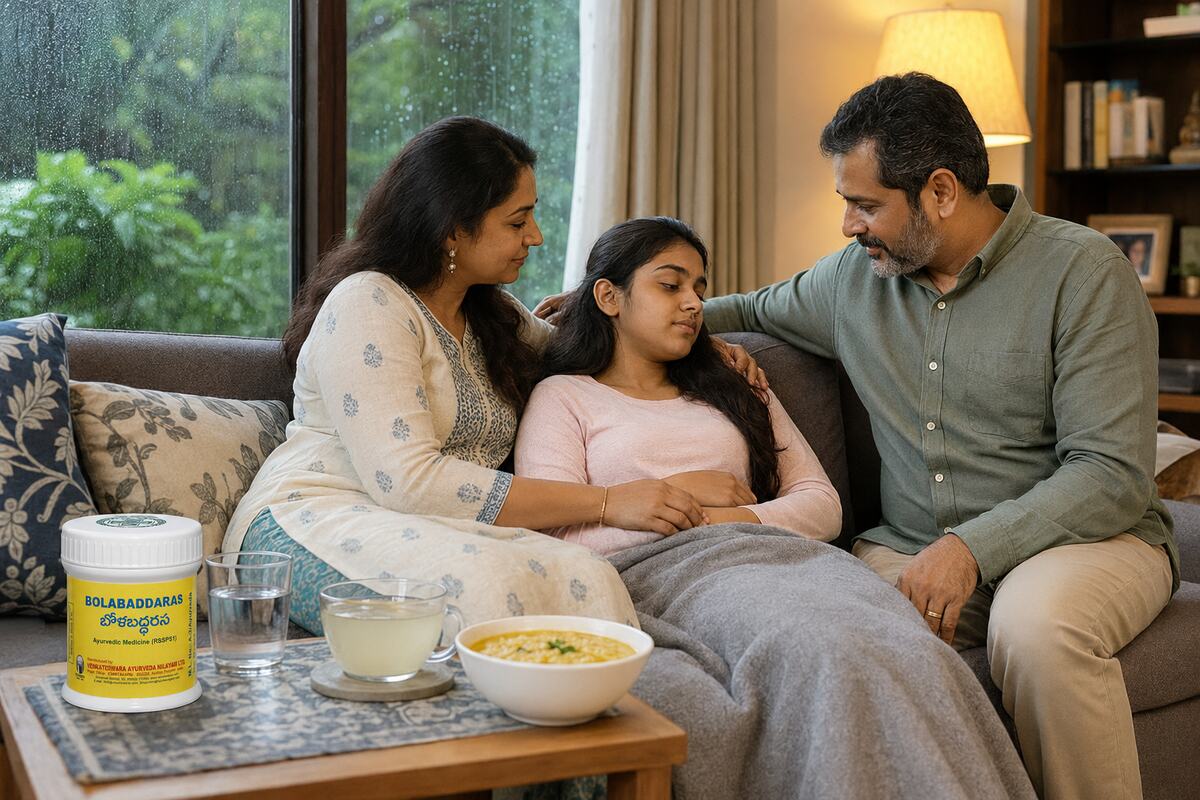
In Ayurveda, digestive discomfort is often understood in relation to disturbed digestion and unsuitable food habits. Bolabaddaras is presented in the classical context of indigestion, diarrhoea, and dysentery. It’s advisable to take one pill in the morning and evening with buttermilk.
However, diarrhoea and dysentery can have many causes, ranging from a short-lived food-related upset to an infection that needs timely medical treatment. Do not treat a product as a replacement for hydration, diagnosis, or urgent care. Speak with a qualified Ayurvedic physician before using Bolabaddaras, especially for children, older adults, pregnancy, ongoing health conditions, or repeated symptoms.
For a broader look at how everyday habits influence digestion, read Gut Health & Ayurveda: Why Digestion Is the Root of All Wellness.
When to seek urgent medical care
Do not wait for home care alone if you notice:
- Blood in the stool
- Diarrhoea lasting more than three days
- Persistent or high fever
- Frequent vomiting or inability to keep fluids down
- Signs of dehydration, such as very little urination, dry mouth, dizziness, or unusual sleepiness
- Symptoms in infants, children, elderly people, pregnant individuals, or people with serious health conditions
- Repeated episodes of loose stools after meals
These signs need medical assessment. Early care can prevent dehydration and help identify whether an infection or another condition is involved.
Seek personalised Ayurvedic guidance
Every digestive upset does not need the same approach. Food choices, symptoms, age, current medicines, and medical history all matter. For free personalised support, consult an Ayurvedic doctor before choosing a medicine or routine.
This monsoon, let recovery be simple: hydrate, rest, eat gently, and seek help when symptoms do not settle. When you are ready to explore thoughtfully selected Ayurvedic wellness products, visit Ayur Store.
Check out more articles at Ayurveda Blog.