When you already take medicine for diabetes, a new tablet raises questions about your whole treatment plan. Your doctor needs to know what you take, when you take it, and whether you have had low blood sugar. A medicine list and your recent glucose records make those questions easier to answer.
If you are looking up Vasantakusumakara Tablets precautions, bring the exact product label to the clinician who manages your diabetes before adding it. Keep taking insulin and other prescribed diabetes medicines as directed.
Make one list of everything you take
Include prescriptions from all your doctors, insulin, medicines you buy without a prescription, Ayurvedic products, and supplements. For each one, write down its name, strength, how much you take, and when you take it. Note recent changes and mention anything you take only occasionally.
For example, “one tablet after breakfast” tells the doctor when you take it but leaves out the most useful detail: which tablet it is. Bring the original strip or a clear photo of its front and back if you cannot read the name. Keep a copy of the list on your phone so you can update it after appointments.
Check which Vasantakusumakara product you have
The Ayur Store listing for Vasantakusumakara Tablets describes their traditional use for vitality in people with diabetes.
The listing includes several preparations made from metals and minerals, including Naga Bhasma and Rasa Sindura. The Central Council for Research in Ayurvedic Sciences also classifies Vasantakusumakara Rasa as a preparation made with herbs, minerals and metals in its research protocols. Ask a qualified Ayurvedic doctor to verify the ingredient list, batch and expiry on the pack. Show the same label to your diabetes clinician. If an ingredient or filler is unclear, ask the doctor or pharmacist to verify it before you take the tablets.
Review your glucose records before adding anything
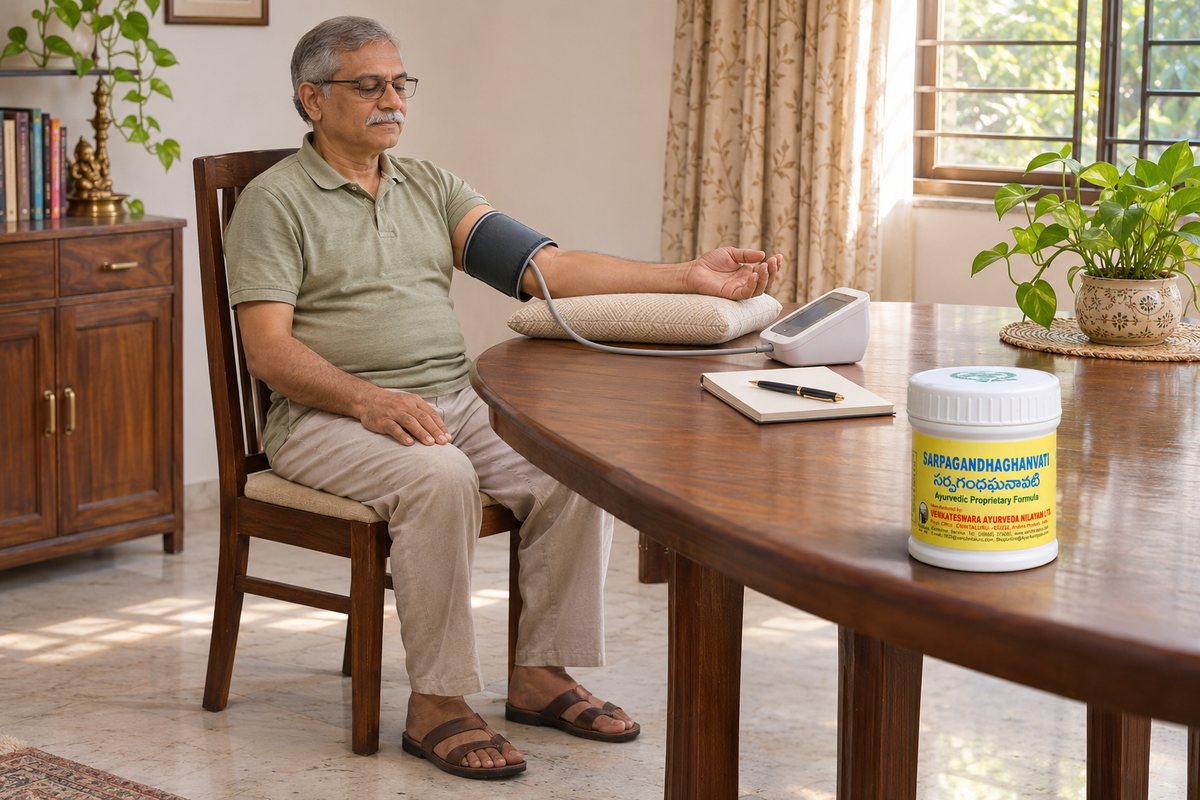
Bring your recent readings and note whether you checked before or after a meal. If you use a glucose sensor, bring the report you normally share with your clinician. Include your most recent HbA1c result and relevant kidney or liver reports if you have them. Tell the clinician about any kidney or liver condition and any past episodes of low blood sugar.
A reading taken before breakfast and one taken after lunch answer different questions. If a reading surprised you, add a short note about the meal, activity, or symptoms around it. Include readings you took when you felt shaky or unwell so your clinician can review those alongside your usual checks.
Ask whether the tablets are suitable with your current medicines and health history. If your clinician agrees to the addition, ask when to check glucose, which readings should prompt a call, and when to return for review. A plan for checking and following up is useful even when you feel well. Keep medication changes with the clinician who prescribes your diabetes treatment.
Ask about honey and other sweet accompaniments
If someone suggests taking the tablets with honey, jaggery, or a sweet drink, tell your diabetes clinician exactly what was suggested. Honey and jaggery still count towards your carbohydrate intake. Ask whether the tablets contain any added sugar and whether any accompanying food would fit your meal plan. There is no need to assume a sweet accompaniment is required.
Learn what low glucose can feel like
The Indian Council of Medical Research notes that low blood sugar can occur with insulin and certain diabetes tablets. Clues include sweating, shaking, sudden hunger, or a pounding heartbeat. Ask your care team how to confirm a low, what to do straight away, and when to get help. Record any episodes and tell your clinician if they recur.
If someone becomes unconscious or cannot swallow safely during a suspected low, get emergency help and do not give food or drink by mouth. Make sure someone close to you knows your care team’s emergency plan.
Bring your questions to an Ayurvedic consultation
You can request a free Ayurvedic doctor consultation through Ayur Store to discuss the exact product. Share your medicine list, glucose records, and recent reports, and check any recommendation with your treating diabetes clinician before starting.
For more product information to bring to the discussion, explore Ayur Store.
Check out more articles at Ayurveda Blog.