Recovering from an illness often takes longer than expected. The fever or infection may have settled, yet everyday tasks can still feel tiring. Appetite may remain low, muscles may feel weaker, and body weight may take time to return.
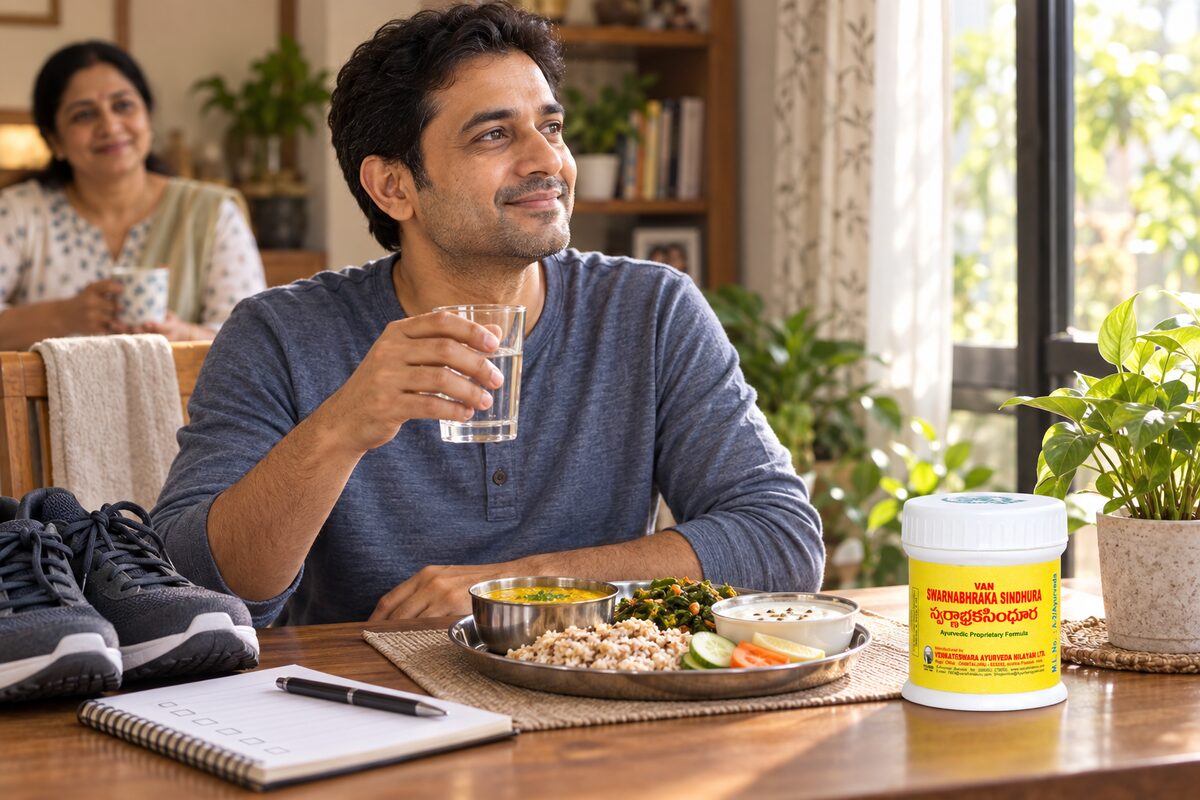
A steady recovery plan usually works better than searching for one quick solution. Food, sleep, hydration, gentle activity and proper medical assessment all matter. In a suitable case, an Ayurvedic doctor may consider Swarnabhrakasindura for weakness and vitality as part of a supervised plan.
When Post-Illness Tiredness May Be Expected
An illness can reduce appetite, disturb sleep and limit movement. Even a short period of bed rest can leave the muscles feeling less capable. Someone who usually walks comfortably for twenty minutes may initially feel tired after five.
Mild weakness that gradually improves with rest, nourishing meals and gentle movement may form part of normal recovery. Progress may be slow, but there should generally be a positive trend.
Persistent or worsening symptoms deserve closer attention. Arrange a medical review if weakness continues without improvement or occurs with:
- Unintended or continuing weight loss
- Recurrent fever
- Shortness of breath
- Unusual paleness, dizziness or a racing heartbeat
- Poor appetite that does not return
- Ongoing diarrhoea, vomiting or difficulty swallowing
- New pain or other unexplained symptoms
These signs may relate to anaemia, nutritional deficiencies, infection, digestive problems, thyroid conditions, medication effects or another issue that needs investigation.
Where Swarnabhrakasindura May Fit
Ayur Store presents Swarnabhrakasindura as a traditional Ayurvedic formulation used across several chronic complaints and concerns involving weakness or low vitality. This traditional positioning should not be treated as proof that the medicine can diagnose or cure the cause of weight loss.
A practitioner should first understand why the person feels weak. Two people may describe the same tiredness while having very different needs. One may need better nutrition and sleep after a viral illness. Another may require tests for anaemia, infection, thyroid function or a digestive condition.
Swarnabhrakasindura is a herbo-mineral, bhasma-based formulation. Its suitability, dose, accompanying food or drink, treatment period and follow-up should therefore come from a qualified Ayurvedic physician.
Build Recovery Around Nourishing Food
When appetite is low, very large meals can feel difficult. Smaller meals and snacks spread across the day may be easier to manage.
Try to include a digestible protein source with each main meal. Depending on personal tolerance and dietary preference, this could include dal, curd, paneer, eggs, fish, chicken, soy or well-cooked legumes. Pair protein with rice, roti or another carbohydrate for energy, plus vegetables and healthy fats.
For example, a recovery meal might include soft rice, dal, cooked vegetables and curd. Someone with a smaller appetite could begin with khichdi, an egg, lightly prepared paneer or a nourishing soup. A doctor or dietitian can adapt the plan when diabetes, kidney disease, liver disease or digestive problems affect food choices.
Drink water regularly unless a clinician has advised fluid restriction. Fever, diarrhoea and reduced intake can all contribute to dehydration, which may worsen tiredness and dizziness.
Consider Tests When Recovery Stalls
Food alone may not correct a deficiency that has become significant. A doctor may recommend blood tests based on the symptoms and medical history. These may include checks for anaemia, iron levels, vitamin B12, folate, vitamin D, thyroid function, blood sugar, liver health or kidney health.
Testing avoids guesswork. It also helps prevent unnecessary supplements, especially when several medicines or health products are already being used.
Return to Activity Gradually
Rest supports recovery, but complete inactivity for too long can add to weakness. Begin with manageable movement once a doctor says it is safe.
A short walk inside the home, gentle stretching or a few minutes outdoors may be enough at first. Increase the duration slowly. If activity causes chest pain, severe breathlessness, faintness or a major worsening of symptoms, stop and seek medical attention.
Sleep also matters. Keep a regular bedtime, reduce late-night screen use and allow enough time for restorative rest.
Why Professional Guidance Matters
Do not copy another person’s dose or begin a herbo-mineral medicine based only on an online description. Tell the practitioner about prescription medicines, supplements and any history of kidney or liver problems. Pregnant or breastfeeding women should seek individual medical advice before considering this product.
Do not stop prescribed treatment when beginning Ayurvedic care unless the prescribing doctor advises it.
Seek prompt medical evaluation for continued weight loss, chest pain, black stools, jaundice, worsening weakness, severe breathlessness or fainting.
Seek Personalised Ayurvedic Advice
Recovery needs vary according to the illness, age, appetite, medical history and current medicines. Use our free Ayurvedic doctor consultation to discuss whether Swarnabhrakasindura is appropriate and how it could fit into a broader recovery plan.
For authentic VAN Ayurvedic products and doctor-guided wellness support, visit Ayur Store.
Check out more articles at Ayurveda Blog.