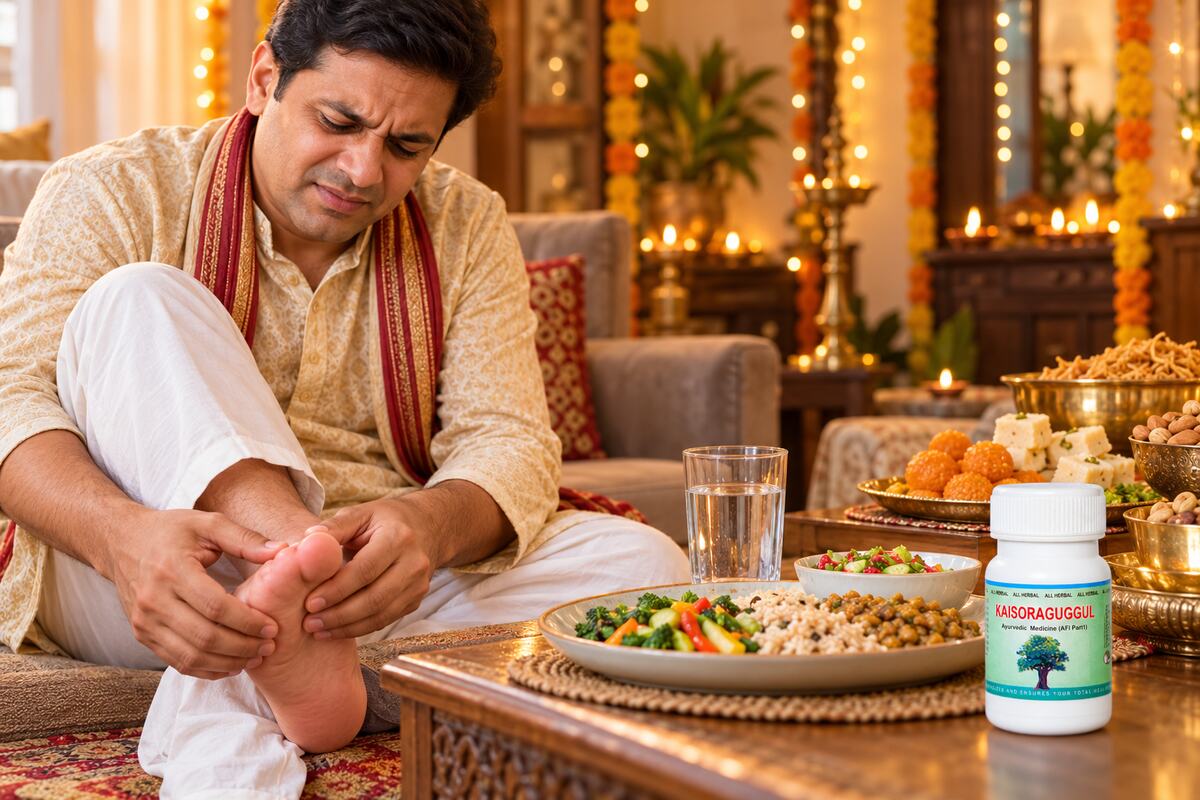
Festivals bring family meals, sweets, fried snacks and changes to the usual routine. For someone who is prone to gout, several days of rich food, alcohol, less water and late nights may coincide with a painful flare. People looking for Kaisoraguggul for gout and uric acid should first understand what gout looks like and why proper diagnosis matters.
An Ayurvedic medicine may form one part of a care plan, but it should not replace prescribed treatment or medical testing.
What a gout flare can feel like
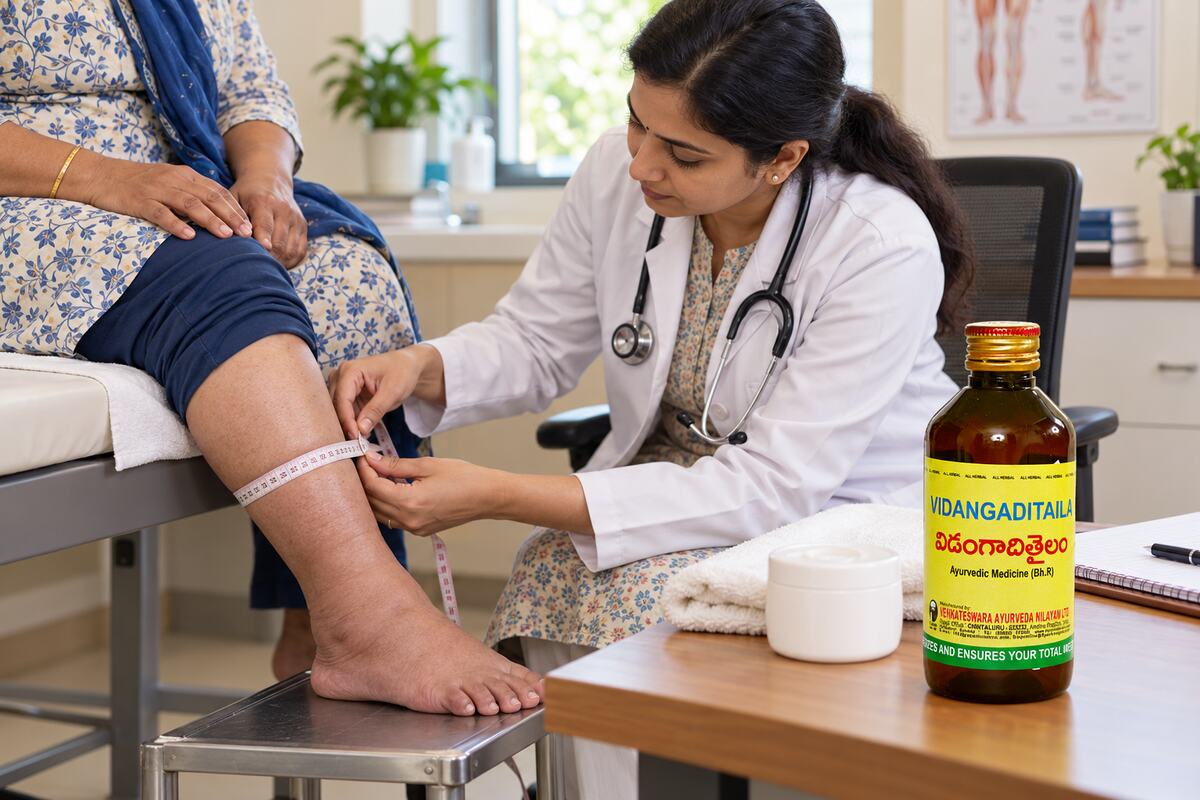
Gout is a type of inflammatory arthritis linked with uric acid crystals in and around a joint. A typical flare begins suddenly. The joint becomes intensely painful, swollen, warm and red. Even the weight of a bedsheet may feel uncomfortable.
The joint at the base of the big toe is a common site, although gout can also affect the ankle, knee, wrist or fingers.
A high uric acid result alone does not confirm that every joint pain is gout. Infection inside a joint, an injury, pseudogout and other forms of arthritis can produce similar symptoms. A clinician may examine the joint, order blood tests and, when needed, test joint fluid for crystals or infection.
Seek prompt medical care for a first severe attack, fever, chills, rapidly increasing redness, a wound near the joint or pain that follows an injury. A hot, swollen joint with fever may need urgent testing for infection.
Where Kaisoraguggul may fit
Kaisoraguggul is traditionally positioned by VAN for Vatarakta, an Ayurvedic condition associated with gout-related joint complaints. It should be presented as physician-guided support rather than a quick way to lower uric acid or stop an acute attack.
A qualified Ayurvedic practitioner can review your diagnosis, kidney health, current medicines and digestive tolerance before recommending it. This is particularly important for older adults, pregnant or breastfeeding women, people with kidney or liver disease and anyone taking regular prescription medicine.
Do not stop urate-lowering medicine or prescribed flare treatment after starting an Ayurvedic product. These medicines often work over time, and stopping them without advice can disturb the treatment plan.
Practical festive habits for gout and uric acid
The Ministry of Health and Family Welfare’s gout guidance recommends dietary and lifestyle changes such as reducing meat and seafood, limiting alcohol and fructose, and avoiding obesity.
Keep water visible. Place a glass or bottle near you during gatherings and drink regularly unless your doctor has advised a fluid restriction. Water does not treat an acute attack, but steady hydration is more sensible than going through a long evening with only sweet drinks or alcohol.
Use a smaller festive plate. Choose one or two favourite items instead of taking large servings of everything. Add vegetables, whole grains and a suitable protein source. Think of sweets and fried snacks as the smaller part of the plate rather than the meal itself.
Limit alcohol. Alcohol can be a problem for people prone to gout, especially when combined with heavy meals and dehydration. If you have recurrent attacks or take medicines that interact with alcohol, ask your clinician whether you should avoid it completely.
Reduce repeated servings of high-purine food. Large portions of red meat, organ meat and some seafood can add to the uric-acid load.
Watch sweetened drinks and excess fructose. Festival coolers, packaged juices and soft drinks can add a large amount of sugar quickly. Plain water, unsweetened drinks or smaller servings offer a simpler choice.
Aim for gradual weight change. If weight management is part of your plan, avoid crash diets and long fasting periods after a celebration. Slow, steady changes are easier to maintain and less likely to disrupt eating patterns.
Review medicines and health conditions. Some medicines and health problems can affect uric acid. Do not change a prescription on your own. Ask the prescribing doctor to review your treatment if gout attacks continue.
Monitoring matters between flares
Gout care continues after the pain settles. Your doctor may monitor uric acid, kidney function and the number of attacks.
Keep a simple note of when symptoms appear, which joint is affected, what you ate or drank and whether you missed any medicine. This record can reveal patterns more clearly than memory alone.
During an acute flare, rest and protect the painful joint. Follow the treatment already prescribed for you. Avoid vigorous massage or forcing the joint through painful movement.
Seek personalised Ayurvedic guidance
Use Ayur Store’s free online consultation form to discuss whether Kaisoraguggul suits your diagnosed condition, medicines and health history. Share recent uric acid and kidney reports if they are available.
You can also explore Ayur Store for authentic VAN products. Enjoy festive meals thoughtfully, keep your routine steady and treat recurring joint pain as a health issue that deserves proper follow-up.
Check out more articles at Ayurveda Blog.